

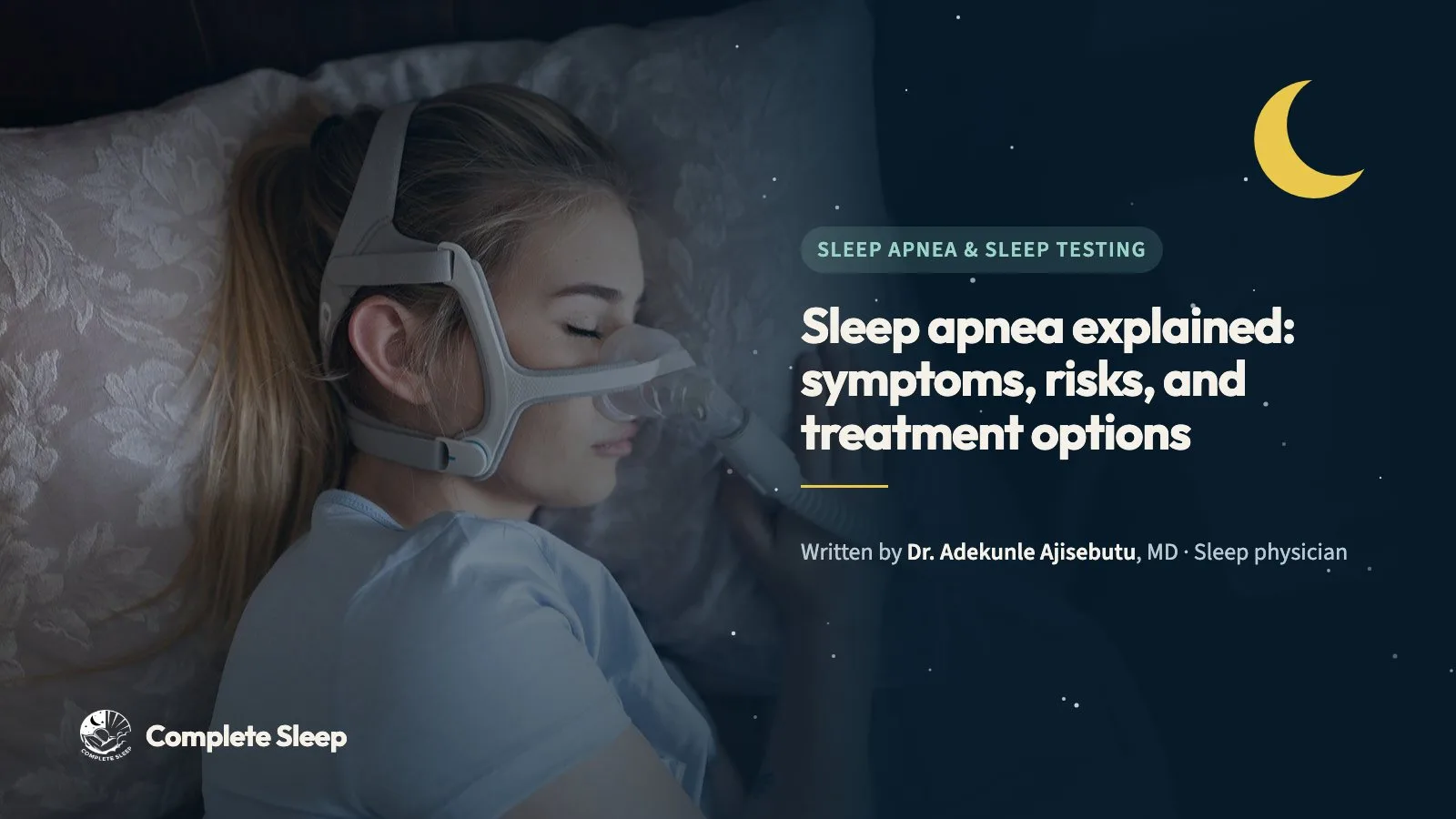
Sleep Apnea: Symptoms, Risks, and Treatments
A plain-language guide to sleep apnea: obstructive vs. central, signs to notice, health risks, how it is diagnosed, and treatment options.
Topic · 6 articles
Loud snoring, waking up gasping, morning headaches, and feeling exhausted despite a full night are all reasons people first hear the words “sleep apnea”. This section explains the condition in plain language and demystifies the testing process.
Nothing here diagnoses anything. It is meant to help you have a better-informed conversation with your own doctor.
Start with
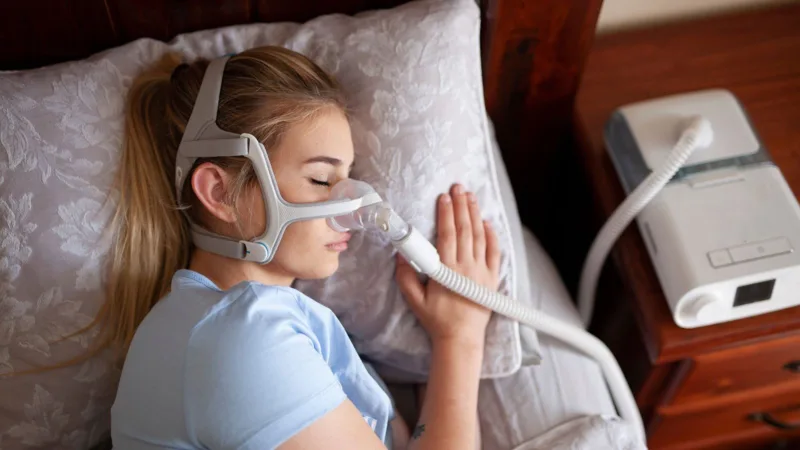
A plain-language guide to sleep apnea: obstructive vs. central, signs to notice, health risks, how it is diagnosed, and treatment options.
Why adults snore, what makes it worse, the red flags that point to sleep apnea, when to see a doctor, and the measures that quiet simple snoring.
Sleep trackers estimate sleep from movement, heart rate and oxygen. Learn what they get right, where they fall short, and when a sleep study is needed.
Alcohol makes you fall asleep faster, then breaks up the second half of the night: less REM, more waking, worse snoring and apnea. What to do instead.
Weight, side-sleeping, alcohol, smoking, nasal congestion and more — the lifestyle habits that support sleep apnea care, with the evidence behind each.
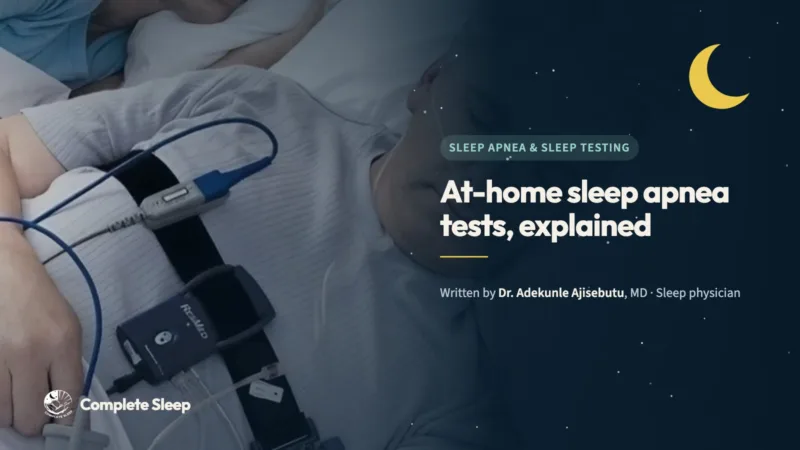
How a home sleep apnea test works, what it measures, who it suits, who needs an in-lab study instead, and what results mean — explained without the sales pitch.